“I believe in magic. I believe in being carried away.”
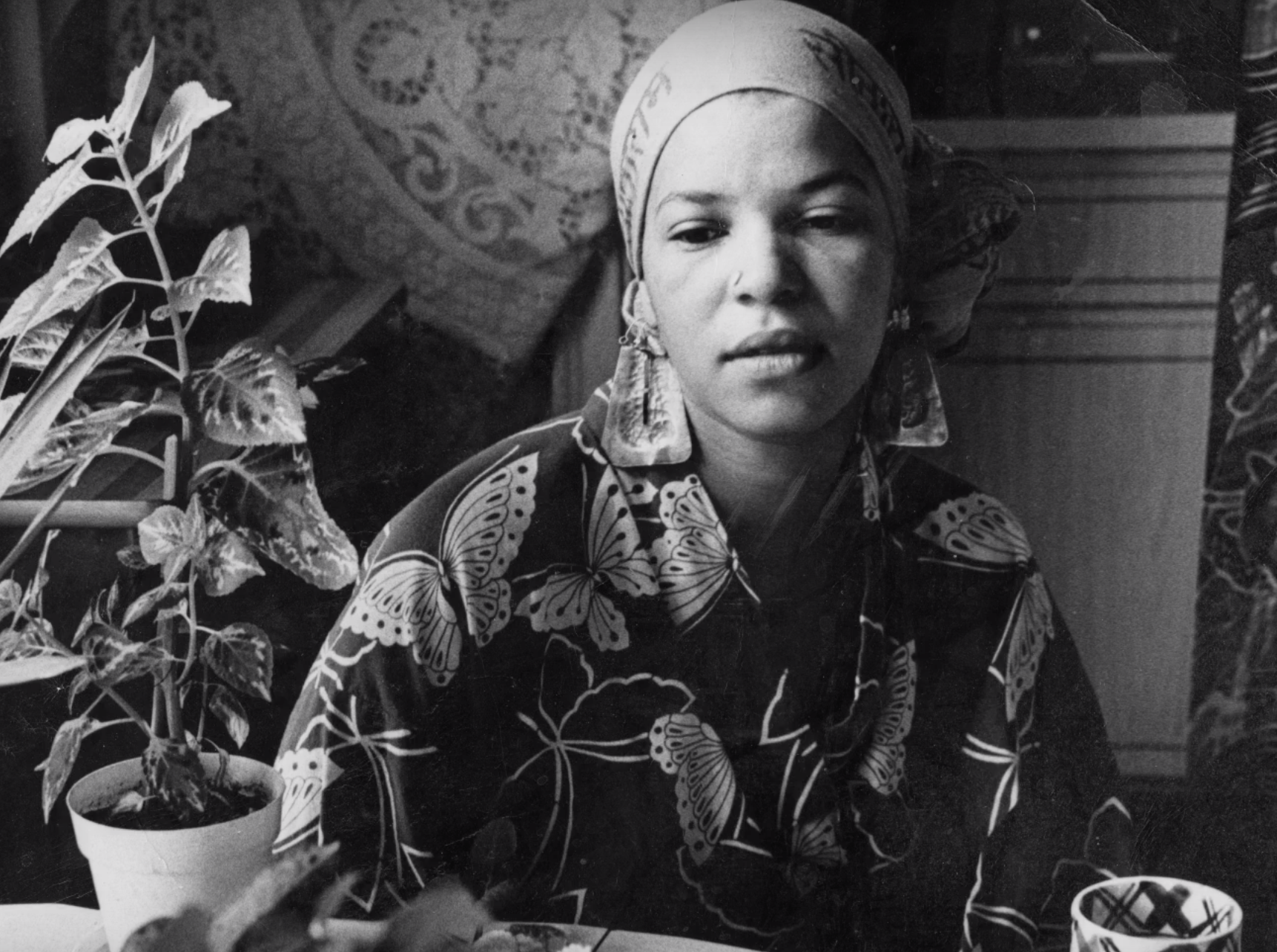
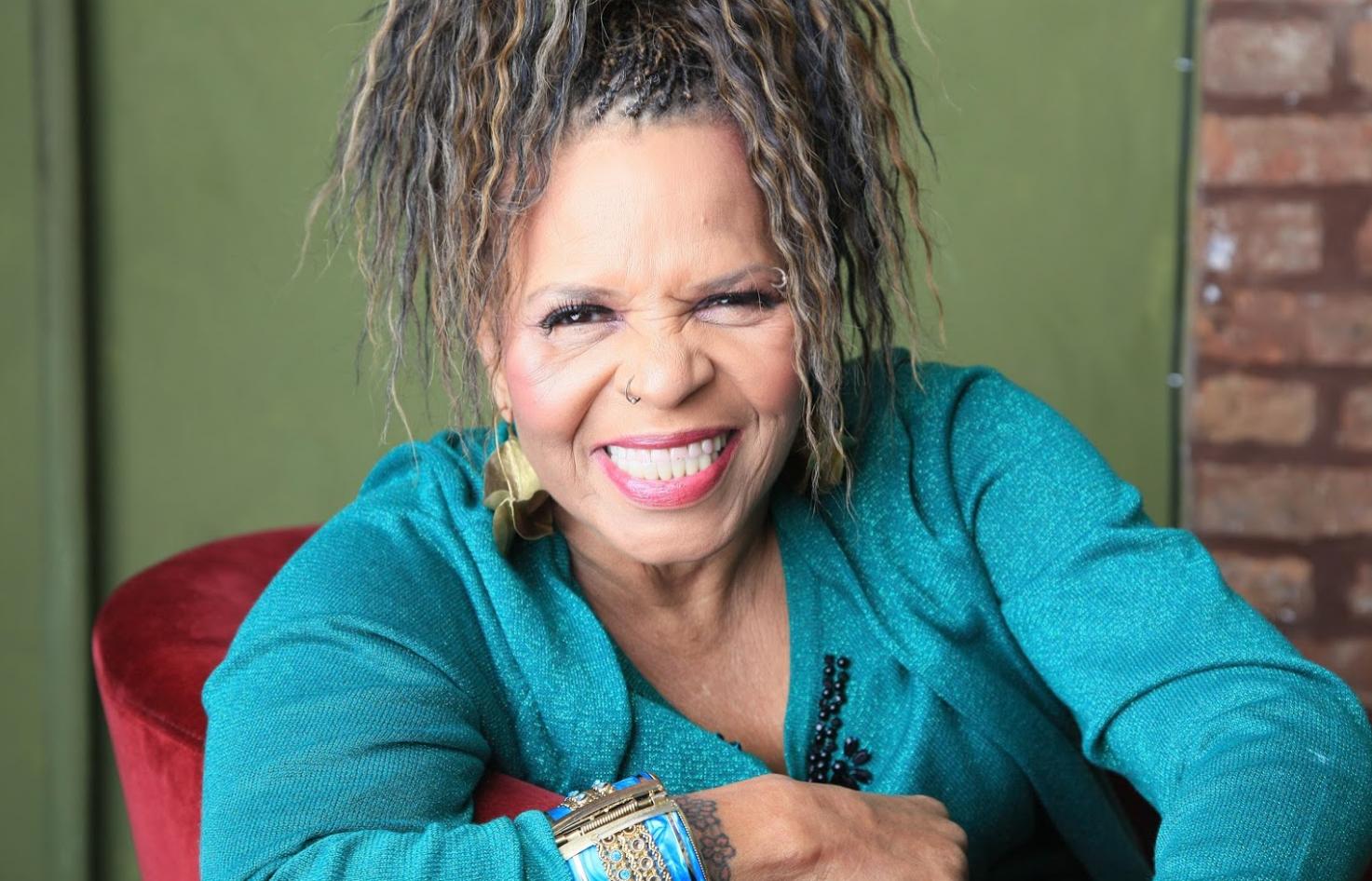
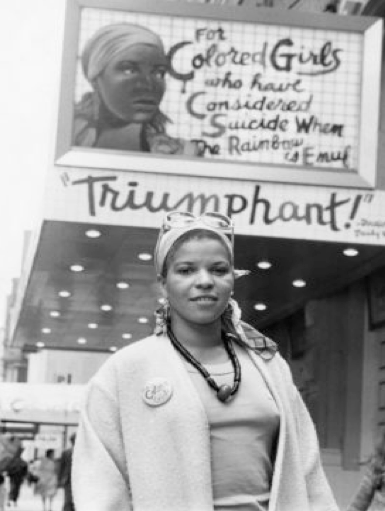
rnBroadway Black began reporting on Dr. Ntozake Shange over a year ago as she was returning to the stage as poet, performer, and storyteller at the Blue Note in NYC. I sat down with feminist poet and playwright Ntozake Shange to discuss her legacy and craft. Shange’s seminal choreopoem (a form of dramatic expression that combines poetry, dance, music, and song and a coined term by Shange in 1975) for colored girls who have considered suicide / when the rainbow is enuf has been holding space for dialogues about the lived experiences of Black women for over four decades. rnrnThe work has been handed down by generations of women, passed from mother to daughter, sister to sister, and friend to friend. It is taught in the classroom and produced locally. It has been produced off-Broadway, on Broadway and both the large and small screen. Shange’s canon of poetry, prose, and stage work has paved the way for Black women to take risks in the art of storytelling. Shange is undoubtedly a black literary and performance icon who remains relevant in our consciousness. Shange is one of the most important voices in American letters poignantly and creatively addressing the lived experiences of Black people, LGBTQ rights, women’s empowerment, racial inequality, domestic abuse, intertwined with the ongoing theme of loving ourselves fiercely.rnrnOn October 27th, 2018 our beloved Shange moved from an elder in our community to an ancestor. This is a transition that we hold close to our hearts. After all, elders are the keepers of the African American legacy and Ancestors are our guiding light as we set out on our paths. Honoring Shange’s legacy requires that we acknowledge immense contributions to the world, then move towards activating the audacity of her existence in our worlds.rnrnNtozake Shange promotional photo for Blue Note Jazz performancernrnBorn Paulette Linda Williams, she adopted a Zulu name in the early 1970s, selecting Ntozake (en-to-ZAH-key), which means “she who comes with her own things,” and Shange (SHAHN-gay), meaning “one who walks like a lion,”. Shange is best known for the Obie Award-winning play for colored girls who have considered suicide / when the rainbow is enuf. She also penned several novels including Sassafrass, Cypress & Indigo (1982), Liliane (1994), and Betsey Brown (1985), a book about an African-American girl who runs away from home.rnrnNtozake Shange outside the Booth Theatre on Broadway for her production of For ColoredGirls…rnrnAmong the many accolades, it is important to remember that Shange was an artist by the purest definition. She spent decades honing her craft. She developed her poetic voice. She collaborated with artists of all genres and mediums. She experimented with sound, texture, words and played to create meaning. She listened to critiques but created the art she wanted regardless of their analysis. She started her art performing in with real people and kept her art for the people even after she debuted on Broadway. As artists, theatre-makers, and consumers of art, this is what we must never forget about Shange. Not only did she change the world with art, but her work is also a “radical reordering of western cultural aesthetic.” She reclaimed Blackness and reminded us of its beauty.rnrnIn my 2017, interview with Shange I asked her thoughts on ghosts, the supernatural and the afterlife. rnrn“I believe in magic. I believe in being carried away. I think writing some poetry and some prose I get carried away. I don’t feel like I am in my body. I am in the language. I rejoice in that. I don’t mind being out of my body. Or being in an altered state which I find is close to magic. Being able to talk to my relatives who are in another plane, or who are existing afterlife, is magic but they are so real to me I don’t think of it as anything besides life. It natural to me and as far as my conversation and memories of them, they are just alive they are not dream figures or ghosts they are living to me. They are with me. I interact with them. That is how I see it.”rnrnIn the coming weeks and months and years continue to honor Shange. Gather in your homes, classrooms, in theaters, and in the streets to re-read for colored girls. Return to her poetry. Return to her prose. Dance as you think of her. Paint as you feel her. Collaborate as you get moved by her. Smile as you remember her and know that she is the magic that is guiding you as you create art and wake up daily to change the world.rnrnhttps://youtu.be/oYihcfcrQ10
To provide the best experiences, we use technologies like cookies to store and/or access device information. Consenting to these technologies will allow us to process data such as browsing behavior or unique IDs on this site. Not consenting or withdrawing consent, may adversely affect certain features and functions.
Functional
Always active
The technical storage or access is strictly necessary for the legitimate purpose of enabling the use of a specific service explicitly requested by the subscriber or user, or for the sole purpose of carrying out the transmission of a communication over an electronic communications network.
Preferences
The technical storage or access is necessary for the legitimate purpose of storing preferences that are not requested by the subscriber or user.
Statistics
The technical storage or access that is used exclusively for statistical purposes.The technical storage or access that is used exclusively for anonymous statistical purposes. Without a subpoena, voluntary compliance on the part of your Internet Service Provider, or additional records from a third party, information stored or retrieved for this purpose alone cannot usually be used to identify you.
Marketing
The technical storage or access is required to create user profiles to send advertising, or to track the user on a website or across several websites for similar marketing purposes.